Waymo recalls over 3,800 robotaxis that might drive onto closed freeways
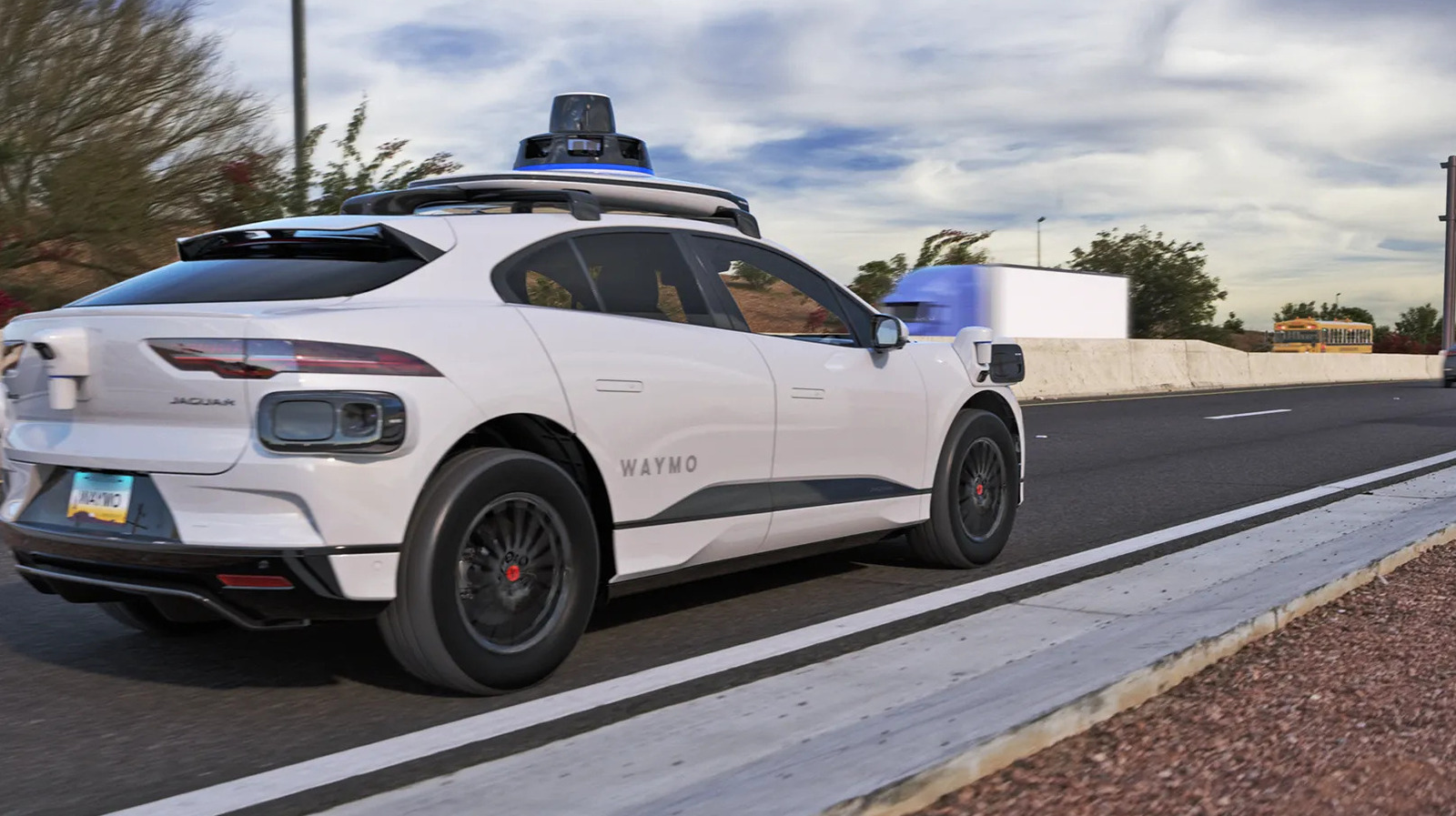
Waymo is recalling over 3,800 of its self-driving taxis due to a software issue that could cause them to enter closed freeway construction zones at speed, according to a National Highway Traffic Safety Admininstration (NHTSA) bulletin seen by Reuters. The company is reportedly working on a fix and has "restricted freeway driving," the NHTSA safety notice states. It's not known if Waymo had an incident that prompted the recall.
"We identified an area of improvement regarding performance around freeway construction zones," Waymo told Engadget in a statement. "We voluntarily restricted freeway operations last month while making improvements, proactively notified state and federal regulators, and decided to file a voluntary software recall with NHTSA." The company has previously noted that such recalls are a notice of intent to fix the related software issue and don't mean that vehicles are taken off the road.
Waymo's Jaguar I-Pace robotaxis were first allowed to hit freeways in Phoenix in 2024, first with employees then paying customers. Prior to that, the cars could only run on highways with a safety driver aboard. The company released a video at the time showing how its vehicle would navigate freeways.
This is the second recall for the Alphabet-owned robotaxi company in a bit more than a month. Back in May, Waymo recalled 3,791 robotaxis after a vehicle drove onto a flood road in San Antonio. Fortunately, no one was injured as the taxi was unoccupied, but the vehicle was swept away by the flood. Prior to that, the fleet was recalled for a particularly dangerous situation when some of its robotaxis were seen failing to stop for school buses that had their stop signs and flashing lights deployed.
Despite these issues, Waymo's autonomous fleet has largely performed well, according to the company. On its safety impact page, Waymo says its vehicles have been involved in 92 percent fewer "serious injury or worse" crashes compared to human drivers and 92 percent fewer pedestrian crashes.